Thyroid Disease & Surgery in Ahmedabad
It plays a vital role in regulating metabolism, energy levels, weight, body temperature, and many other important body functions.
What is Thyroid Disease & Thyroid Surgery?
Thyroid disease can cause symptoms like neck swelling, fatigue, weight changes, palpitations, hair loss, mood changes, and difficulty swallowing. While many thyroid problems can be treated with medication, some conditions require surgery for permanent relief and to prevent complications.
Thyroid Disease
Thyroid disease refers to conditions affecting the thyroid gland, including:
1. Thyroid nodules
2. Goiter (enlarged thyroid)
3. Hyperthyroidism (overactive thyroid)
4. Hypothyroidism (underactive thyroid)
5. Thyroid cancer
Thyroid surgery
Thyroid surgery depends on the diagnosis and may include:
1. Hemithyroidectomy: Removing one side of the thyroid
2. Total Thyroidectomy: Removing the entire thyroid
3. Near-total Thyroidectomy: Removing most of the thyroid
4. Lobectomy: Removing the thyroid lobe with nodules
Who Needs This Treatment?
Early evaluation and timely treatment help prevent complications such as airway blockage, worsening thyroid function, or cancer spread. A detailed diagnosis is essential to determine the best treatment plan. Thyroid surgery is recommended for patients experiencing:
Large thyroid swelling (goiter) causing breathing or swallowing difficulty
Thyroid nodules with suspicious features
Rapidly growing thyroid nodules
Thyroid cancer or suspected cancer
Hyperthyroidism not controlled by medication
How the Procedure Works
Thyroid surgery is a carefully planned and safe procedure performed as follows:
1. Pre-operative Evaluation
- Detailed tests and imaging to confirm the diagnosis and plan the surgery.
2. Surgery
- A small neck incision is made, and the diseased thyroid part is removed carefully.
3. Post-operative Care
- The incision is closed with fine stitches and dressing. Patients are monitored for safety.
Benefits of Thyroid Disease Treatment & Surgery
Effective treatment for persistent thyroid conditions
Improved Symptoms
Reduces neck swelling, fatigue, palpitations, and other symptoms
Cancer Prevention
Removes suspicious or malignant thyroid nodules
Modern Surgical Safety
Minimally invasive approach with better recovery
Most patients can resume normal activities within a few days
Avoid heavy lifting and strenuous activities for 1–2 weeks
Follow-up visits are necessary to monitor thyroid function
Why Consult
Dr. Viral Prajapati?
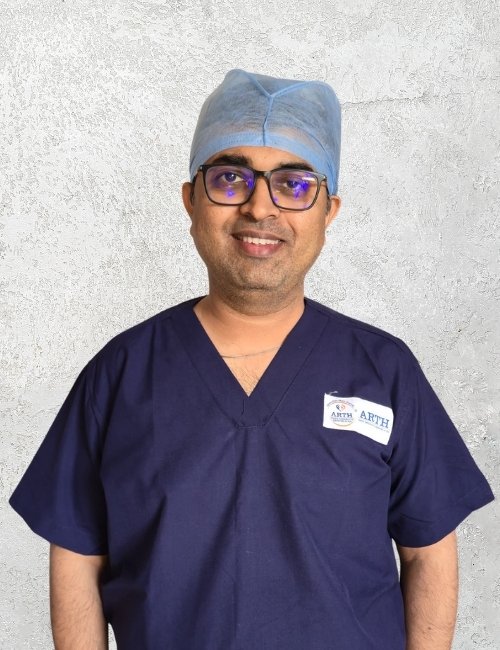
Choosing the right ENT specialist is essential for accurate diagnosis, safe treatment, and long-term ear, nose, and throat health. With a strong medical foundation, years of hands-on clinical experience, and a patient-centered approach, this ENT practice offers reliable care backed by proven expertise.
Experienced ENT & Head-Neck surgeon with advanced training in thyroid diseases
Use of modern surgical instruments and monitoring methods
Personalized treatment plan based on each patient’s condition
Careful preservation of vocal cords and parathyroid glands
Regular post-surgery follow-ups for thyroid hormone balance
Frequently Asked Questions
How do I know if a thyroid nodule is dangerous or harmless?
Most thyroid nodules are benign, but features like rapid growth, hardness, irregular borders on ultrasound, or suspicious cells on a needle biopsy raise concern for malignancy. A fine-needle aspiration biopsy is the standard way to clarify this rather than relying on symptoms alone.
Will my voice change after thyroid surgery?
Temporary voice changes or hoarseness can occur due to swelling near the vocal cord nerves, but permanent voice change is uncommon when the nerves are carefully identified and preserved during surgery, which is a key focus of the procedure.
Will I need to take thyroid medication for the rest of my life after surgery?
It depends on how much thyroid tissue remains. After a total thyroidectomy, lifelong thyroid hormone replacement is generally necessary, whereas after a lobectomy, the remaining thyroid tissue can sometimes maintain normal hormone levels without medication.
Can thyroid nodules or goiters come back after surgery?
If the entire thyroid is removed, thyroid tissue cannot regrow. However, after a partial removal (like a lobectomy), new nodules can occasionally develop in the remaining tissue over time, which is why periodic monitoring is still recommended.
Is thyroid cancer usually curable?
Most thyroid cancers, particularly the common papillary and follicular types, have a high cure rate when detected and treated appropriately with surgery and, if needed, radioactive iodine therapy. Outcomes vary based on cancer type and stage at diagnosis.
How is thyroid function monitored after surgery?
Regular blood tests measuring thyroid hormone (T3, T4) and TSH levels are used to check whether hormone levels are balanced, guiding any need for medication dosage adjustments during follow-up visits.