COMMANDO Surgery in Ahmedabad
Advanced Head & Neck Cancer Treatment
COMMANDO Surgery is a specialized and extensive surgical procedure performed for advanced cancers of the oral cavity and head-neck region. Certain cancers, especially those involving the mouth, tongue, jawbone, and surrounding tissues, require aggressive and well-planned surgery to completely remove the disease and prevent its spread. This surgery is usually advised when cancer has progressed locally, involved the jawbone, or spread to lymph nodes in the neck. COMMANDO Surgery allows complete removal of the tumor along with affected bone and lymph nodes in a single planned procedure, offering the best chance of disease control and long-term survival.
What is COMMANDO Surgery?
COMMANDO Surgery stands for Combined Mandibulectomy and Neck Dissection with Oral cavity resection. It is a comprehensive cancer surgery designed to remove advanced tumors of the oral cavity along with involved jawbone and neck lymph nodes.
The procedure may include:
Removal of the cancerous part of the oral cavity
Partial or complete removal of the lower jaw (mandible)
Removal of lymph nodes in the neck (neck dissection)
Reconstruction of the jaw and soft tissues, if required
This surgery is performed under general anesthesia and often involves a multidisciplinary team to ensure complete tumor clearance and functional restoration.
Who Needs COMMANDO Surgery?
Early evaluation and timely surgery play a crucial role in improving outcomes and preventing further spread of cancer. COMMANDO Surgery may be recommended for patients with:
How the Procedure Works
COMMANDO Surgery is a carefully planned, multi-step procedure performed in a controlled surgical environment.
1. Pre-Surgical Evaluation
- Detailed imaging, biopsy reports, and cancer staging are done to assess the extent of disease and plan surgery accurately.
2. Tumor & Jaw Resection
- The cancerous tissue in the oral cavity is removed along with the involved part of the jawbone, ensuring complete tumor clearance.
3. Neck Dissection
- Affected lymph nodes in the neck are removed to prevent further spread of cancer.
4. Reconstruction (If Required)
- Jaw and soft tissue reconstruction may be performed using grafts or flaps to restore appearance, speech, and swallowing.
5. Post-Surgical Care
- Patients are monitored closely, followed by rehabilitation and further cancer management if required.

Hospital stay for monitoring and wound care
Pain management and infection prevention
Nutritional support during healing
Why Consult Dr. Viral Prajapati For Commando Surgery?
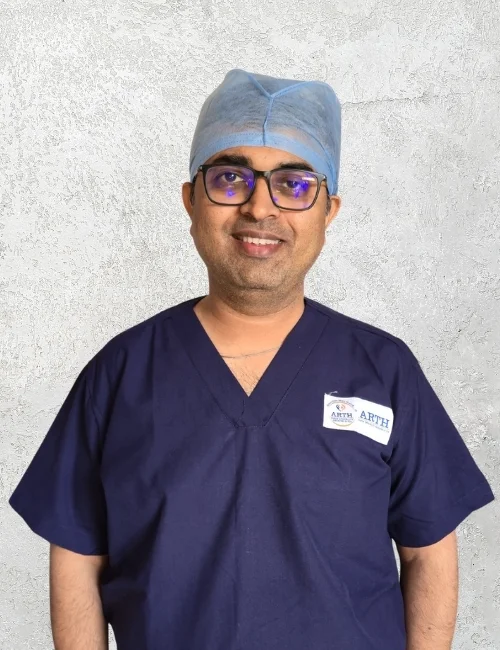
Choosing the right ENT specialist is essential for accurate diagnosis, safe treatment, and long-term ear, nose, and throat health. With a strong medical foundation, years of hands-on clinical experience, and a patient-centered approach, this ENT practice offers reliable care backed by proven expertise.
Years of experience in managing complex head and neck cancers with precision and care.
Complete evaluation, surgery, reconstruction, and follow-up under one coordinated treatment plan.
Expertise in complex oral, jaw, and neck surgeries with focus on complete disease clearance.
Patient Safety & Precision
Strict adherence to safety protocols, accurate surgical planning, and meticulous execution.
Guidance for speech, swallowing, nutrition, and long-term recovery.
Frequently Asked Questions
How long does COMMANDO surgery typically take?
Because it involves tumor resection, jaw surgery, neck dissection, and sometimes immediate reconstruction, the procedure is lengthy and can take several hours, often performed by a multidisciplinary surgical team.
Will I be able to eat and speak normally after COMMANDO surgery?
Function depends on how much tissue and jawbone were removed and whether reconstruction was performed. Many patients regain functional speech and swallowing with rehabilitation, though some adjustment period and speech/swallow therapy is common.
Is this procedure safe for children and elderly patients?
Yes. It’s considered safe across age groups, including young children and elderly patients, because the microscope allows precise control and the suction technique avoids blind instrumentation, which is riskier in narrower or more fragile ear canals.
What is the long-term outlook after COMMANDO surgery?
The extent of tissue and bone removed, the patient’s overall health, and surgical planning all factor in. Straightforward cases may allow reconstruction during the same surgery using grafts or flaps, while more complex cases may need a staged approach.
What are the warning signs that indicate a patient may need COMMANDO surgery?
A persistent mouth ulcer that doesn’t heal, unexplained swelling in the jaw or neck, difficulty chewing or swallowing, or a diagnosed tumor involving the jawbone are key indicators that this level of surgery may be under consideration.