Dr. Viral Prajapati
Age-Related Hearing Loss
Hearing is assessed with advanced diagnostic tests, and individualized solutions are offered, including hearing aids, auditory rehabilitation, and preventive advice, ensuring safe and effective care.
About Age-Related Hearing Loss
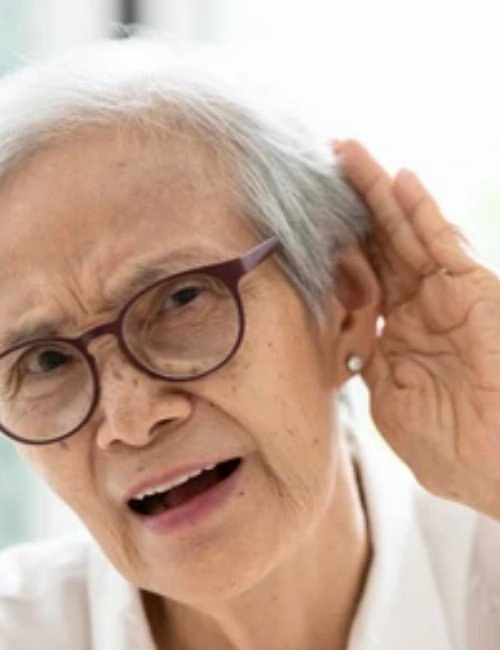
Age-Related Hearing Loss, medically known as Presbycusis, is a gradual decrease in hearing ability that occurs as people grow older. It typically affects both ears and develops slowly over time, often going unnoticed until it starts interfering with communication, social interactions, and daily activities. This condition occurs due to natural changes in the inner ear, auditory nerves, and brain processing of sound. Common early signs include difficulty hearing conversations in crowded areas, needing higher volume on devices, or mishearing words. Timely evaluation and management can improve hearing, enhance quality of life, and prevent social isolation.
Age-Related Hearing Loss, medically known as Presbycusis, is a gradual decrease in hearing ability that occurs as people grow older. It typically affects both ears and develops slowly over time, often going unnoticed until it starts interfering with communication, social interactions, and daily activities. This condition occurs due to natural changes in the inner ear, auditory nerves, and brain processing of sound. Common early signs include difficulty hearing conversations in crowded areas, needing higher volume on devices, or mishearing words. Timely evaluation and management can improve hearing, enhance quality of life, and prevent social isolation.
What is Age-Related Hearing Loss?
Age-Related Hearing Loss is a natural, gradual decline in hearing that affects the inner ear (cochlea), auditory nerves, or the brain’s processing of sound. It generally starts in high-frequency hearing, making it harder to perceive consonant sounds and follow conversations in noisy environments.
Causes may include:
Natural aging of the auditory system
Long-term exposure to loud noise
Medical conditions like diabetes or high blood pressure
Genetic predisposition
Symptoms can include difficulty understanding speech, turning up the volume on TV or radio, asking people to repeat themselves, tinnitus (ringing in the ears), and social withdrawal. Early assessment is key to managing the condition effectively.
Who Needs This Treatment?
Addressing hearing loss early can improve communication, prevent cognitive strain, and maintain overall wellbeing. Evaluation and treatment are recommended for individuals experiencing :
Age-Related Hearing Loss
How the Procedure Works
Management of Age-Related Hearing Loss is typically non-surgical and involves :
A thorough evaluation using audiometry, tympanometry, and speech recognition tests determines the level and type of hearing loss.
Hearing Aids: Digital or programmable devices tailored to individual hearing needs
Assistive Listening Devices: Special tools for phones, TV, or public spaces
Auditory Rehabilitation: Training to improve listening skills and comprehension
- Protect ears from loud noise
Maintain overall health (control blood pressure, diabetes, etc.)
Regular follow-up to adjust hearing devices as needed
Benefits OF
Age-Related Hearing Loss Management
Improved Hearing Clarity
Helps recognize speech and environmental sounds better
Safe & Non-Invasive
Modern solutions like hearing aids are easy to use and effective
Reduced Cognitive Strain
Less mental effort required to understand sounds
Better Quality of Life
Increases confidence, independence, and social engagement
Recovery & Aftercare
Adaptation to hearing aids usually takes 1–2 weeks
Regular maintenance of devices ensures optimal performance
Follow-up appointments help monitor hearing changes and adjust settings
Lifestyle modifications, such as ear protection and controlling underlying health issues.
Why Consult
Dr. Viral Prajapati?

Choosing the right ENT specialist is essential for accurate diagnosis, safe treatment, and long-term ear, nose, and throat health. With a strong medical foundation, years of hands-on clinical experience, and a patient-centered approach, this ENT practice offers reliable care backed by proven expertise.
MBBS and MS ENT with expertise in hearing loss management
Strong academic base with extensive practical exposure during training
Experience across multiple clinical departments during internship and residency
15+ years in diagnosing and managing age-related hearing and ear disorders
Expertise in diagnosing both simple and complex ear, nose, and throat conditions
Trusted by patients for consistent and reliable treatment outcomes
- Hands-on experience at a high-volume government hospital
- Exposure to emergency care, pediatric cases, surgical procedures, and routine ENT management
- Skilled in hearing assessments, auditory rehabilitation, and device fitting
Gentle approach, especially for seniors, ensuring comfort during assessments and treatments
Clear explanation of procedures to reduce anxiety and improve confidence
Uses safe, controlled techniques to avoid unnecessary discomfort
Frequently Asked Questions
Age-related hearing loss is usually permanent, but hearing aids and rehabilitation significantly improve hearing clarity.
Modern hearing aids are user-friendly, small, and adjustable to individual needs.
Many users experience better hearing immediately, with full adaptation in 1–2 weeks.
Yes, certain hearing aids and auditory therapies can reduce perception of ringing or buzzing.
Early evaluation and intervention provide the best results and prevent communication difficulties.