Advanced Skull-Base & Head-Neck Tumor Surgeries
About Advanced Skull-Base & Head-Neck Tumor Surgeries
Tumors of the skull base and head-neck region are among the most complex conditions to treat due to their proximity to vital structures such as the brain, eyes, nerves, major blood vessels, airway, and swallowing pathways. These tumors may be benign or malignant, but even non-cancerous growths can cause serious symptoms if left untreated. Advanced Skull-Base & Head-Neck Tumor Surgeries are specialised procedures designed to remove these tumors safely while preserving critical functions like speech, breathing, vision, and swallowing. With careful planning, advanced surgical techniques, and precise execution, these surgeries aim to achieve complete tumor removal while maintaining quality of life.
These surgeries involve the treatment of tumors located in difficult-to-reach areas such as the skull base, nasal cavity, sinuses, throat, oral cavity, neck, and surrounding structures.
Depending on the location, size, and nature of the tumor, surgery may be performed using open, endoscopic, or combined approaches.
The goal of these procedures is to remove the tumor completely, reduce the risk of recurrence, and preserve essential anatomical structures. In many cases, reconstruction and rehabilitation are planned as part of comprehensive care.
Who Needs These Surgeries?
Early diagnosis and timely surgical intervention significantly improve outcomes and long-term control. Advanced Skull-Base & Head-Neck Tumor Surgeries may be recommended for patients with:
How the Procedure Works
These surgeries are carefully planned and tailored to each patient based on tumor characteristics.
1. Pre-Surgical Evaluation
- Detailed imaging (CT, MRI), biopsies, and staging studies are done to assess tumor extent and plan surgery precisely.
2. Surgical Approach
- Depending on the tumor, surgery may be performed using endoscopic techniques, open surgery, or a combined approach to achieve complete removal.
3. Tumor Removal
- The tumor is removed with maximum precision while protecting surrounding nerves, vessels, and vital organs.
4. Reconstruction (If Required)
- Reconstruction of affected tissues may be performed to restore function, appearance, and stability.
5. Post-Operative Care
- Close monitoring, rehabilitation, and additional therapies are provided based on individual needs.

Removal Of Cancer
Complete removal of complex and deep-seated tumors

Improved Survival Chances
Improves long-term survival and quality of life

Reduced Risk
Improved disease control and reduced recurrence risk

Comprehensive care
Multidisciplinary approach for comprehensive care
Hospital stay for monitoring and wound care
Pain management and infection prevention
Nutritional support during recovery
Why Consult
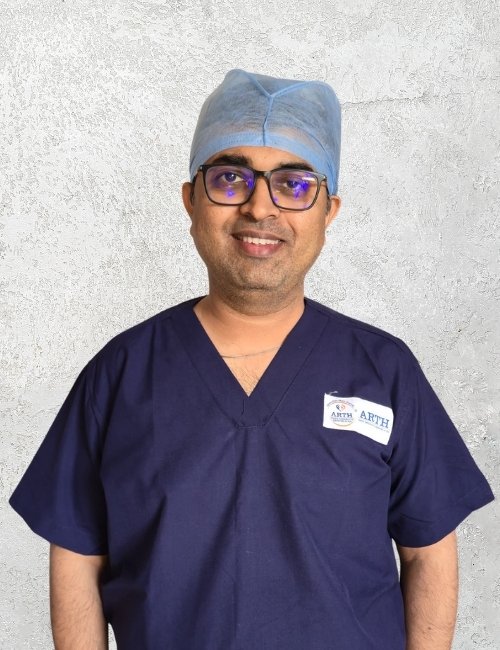
Dr. Viral Prajapati?
Choosing the right ENT specialist is essential for accurate diagnosis, safe treatment, and long-term ear, nose, and throat health. With a strong medical foundation, years of hands-on clinical experience, and a patient-centered approach, this ENT practice offers reliable care backed by proven expertise.
Expert Surgical Planning
Meticulous evaluation and planning for safe tumor removal.
Comprehensive Tumor Care
Integrated approach covering diagnosis, surgery, reconstruction, and rehabilitation.
Advanced Surgical Techniques
Use of modern endoscopic and open surgical approaches for precision.
Focus on Safety & Function
Priority on preserving vital structures and essential life functions.
Post-Treatment Support
Long-term follow-up, rehabilitation, and guidance for recovery.
These are complex surgeries, but careful planning and modern techniques significantly improve safety.
In some cases, reconstruction is performed to restore function and appearance.
Initial recovery may take a few weeks, followed by rehabilitation as needed.
No, both benign and malignant tumors may require surgery.
Some patients may require radiotherapy or chemotherapy depending on tumor type and stage.