Dr. Viral Prajapati
Acute Otitis Media
Advanced diagnostic tools and gentle treatment methods are used to manage AOM effectively and comfortably.
About Acute Otitis Media (AOM)
Acute Otitis Media (AOM) is a sudden infection of the middle ear, usually caused by bacteria or viruses. It is a common condition that affects both children and adults, though it is more prevalent in young children. AOM can cause ear pain, swelling, fever, fluid buildup, and temporary hearing loss, often leading to discomfort and disturbance in daily life. Prompt and accurate treatment is crucial to relieve symptoms, prevent complications, and protect long-term hearing.
Acute Otitis Media (AOM) is a sudden infection of the middle ear, usually caused by bacteria or viruses. It is a common condition that affects both children and adults, though it is more prevalent in young children. AOM can cause ear pain, swelling, fever, fluid buildup, and temporary hearing loss, often leading to discomfort and disturbance in daily life. Prompt and accurate treatment is crucial to relieve symptoms, prevent complications, and protect long-term hearing.
What is Acute Otitis Media?
Acute Otitis Media is an infection of the air-filled space behind the eardrum, known as the middle ear. The infection causes fluid accumulation, pressure, and inflammation, which leads to pain and hearing difficulties.
Who Needs This Treatment?
Timely treatment helps reduce pain, control infection, and prevent damage to the eardrum or middle ear structures. Acute Otitis Media treatment is recommended for individuals experiencing :
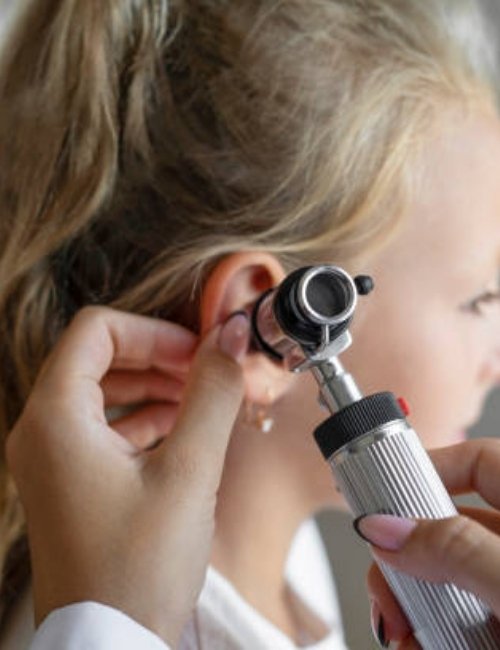
Acute Otitis Media
How the Procedure Works
The procedure is simple, quick, and completely safe. Here’s how it is performed :
The ENT specialist examines the ear using an otoscope or microscope to identify infection, fluid, or inflammation.
Antibiotics may be prescribed if bacterial infection is suspected
Pain relievers and anti-inflammatory medications help reduce discomfort
In cases of severe fluid accumulation or repeated infections, myringotomy (small incision in eardrum) with or without tube insertion may be performed to drain fluid and relieve pressure.
Regular monitoring ensures complete resolution and prevents complications.
Benefits OF
Acute Otitis Media Treatment

Rapid Symptom Relief
Reduces ear pain, fever, and discomfort quickly
Restores Hearing
Clears fluid buildup to improve sound transmission
Prevents Complications
Avoids eardrum rupture, chronic infections, and hearing loss
Safe & Effective
Uses modern, gentle, and precise treatment methods
Recovery & Aftercare
Follow preventive measures like avoiding upper respiratory infections
Complete the prescribed course of antibiotics if given
Keep the ear dry and avoid inserting objects into the ear
Maintain good hygiene to reduce recurrence
Why Consult
Dr. Viral Prajapati?
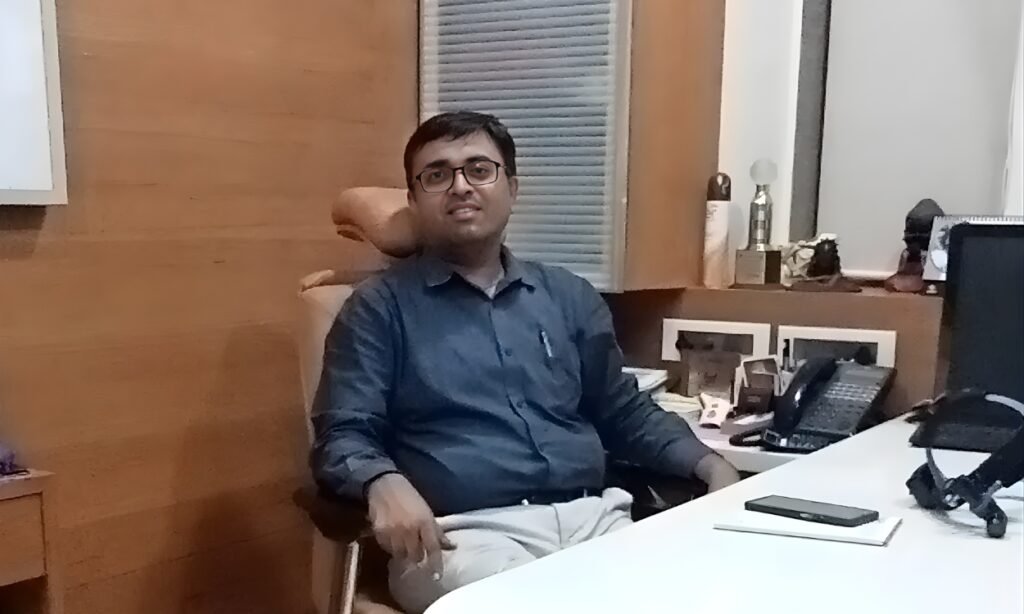
Choosing the right ENT specialist is essential for accurate diagnosis, safe treatment, and long-term ear, nose, and throat health. With a strong medical foundation, years of hands-on clinical experience, and a patient-centered approach, this ENT practice offers reliable care backed by proven expertise.
MBBS and MS ENT with expertise in ear infections and middle ear surgery
Strong academic base with extensive practical exposure during training
Experience across multiple clinical departments during internship and residency
15+ years managing acute and chronic ear conditions
Expertise in diagnosing both simple and complex ear, nose, and throat conditions
Trusted by patients for consistent and reliable treatment outcomes
- Hands-on experience at a high-volume government hospital
- Exposure to emergency care, pediatric cases, surgical procedures, and routine ENT management
- Skilled in diagnosing and treating ear infections using modern techniques
Gentle approach to minimize discomfort and anxiety
Clear explanation of procedures to reduce anxiety and improve confidence
Uses safe, controlled techniques to avoid unnecessary discomfort
Frequently Asked Questions
Yes, it is most common in children but can affect adults as well.
Pain usually improves within 1–2 days with proper treatment.
Most cases are treated with medication; minor procedures are only needed for fluid or recurrent infections.
Temporary hearing loss may occur, which usually resolves after treatment.
Good hygiene, avoiding colds, and timely medical care reduce recurrence.