AC Polypectomy
This procedure is aimed at improving breathing, reducing sinus infections, and restoring normal sinus function.
About AC Polypectomy
Nasal polyps can be a source of constant discomfort, obstructing your ability to breathe properly, causing sinus infections, and reducing your overall quality of life. If you’re dealing with persistent nasal polyps that do not improve with medication, AC Polypectomy might be the right solution for you. AC Polypectomy is a minimally invasive surgical procedure designed to remove polyps from the nasal cavity and sinuses. We perform AC Polypectomy using advanced techniques, ensuring safety, minimal discomfort, and fast recovery times. Whether you’re struggling with chronic sinusitis, nasal obstruction, or reduced sense of smell, this procedure offers significant relief and can improve your quality of life.
Nasal polyps can be a source of constant discomfort, obstructing your ability to breathe properly, causing sinus infections, and reducing your overall quality of life. If you’re dealing with persistent nasal polyps that do not improve with medication, AC Polypectomy might be the right solution for you. AC Polypectomy is a minimally invasive surgical procedure designed to remove polyps from the nasal cavity and sinuses. We perform AC Polypectomy using advanced techniques, ensuring safety, minimal discomfort, and fast recovery times. Whether you’re struggling with chronic sinusitis, nasal obstruction, or reduced sense of smell, this procedure offers significant relief and can improve your quality of life.
AC Polypectomy is a surgical procedure performed to remove nasal polyps, which are non-cancerous growths that can develop in the nasal passages or sinuses. These polyps are most commonly seen in patients with chronic sinus infections and conditions like antrochoanal polyps, which arise from the maxillary sinus.
Polyps often grow as a result of long-standing bacterial infections, especially in children, and are typically unilateral, meaning they affect only one side of the nose. Symptoms may include nasal blockage, difficulty breathing, or a feeling of pressure or fullness on the affected side. AC Polypectomy involves carefully removing these polyps using specialized surgical tools, restoring normal sinus function and improving airflow.
Indications for AC Polypectomy
AC Polypectomy is commonly recommended for patients who are experiencing persistent symptoms related to nasal polyps, such as:
Difficulty breathing through the nose due to polyps obstructing the nasal passages.
Feeling of obstruction or congestion, particularly on one side of the nose.
Frequent sinus infections that do not improve with medication.
Mucus draining from the back of the nose, leading to a sore throat or coughing.
Nasal blockage that affects only one side, commonly seen in antrochoanal polyps.
How the Procedure Works
AC Polypectomy is a safe and effective procedure that is performed under general anesthesia. The surgery involves the following steps:
1. Pre-Procedure
- Consultation: A comprehensive evaluation of your symptoms, nasal passages, and sinus health, usually accompanied by imaging studies such as a CT scan or nasal endoscopy.
- Anesthesia: The procedure is carried out under general anesthesia to ensure your comfort throughout the surgery.
2. During the Procedure
- Polyp Removal: Using specialized surgical instruments, the surgeon removes the polyp through the nostrils. In the case of antrochoanal polyps, the surgeon targets the maxillary sinus where the polyp originates.
- Restoration of Airflow: Once the polyp is removed, the surgeon ensures that the nasal passages are clear and open, allowing normal airflow and reducing the risk of further blockages or infections.
3. Post-Procedure
- Follow-up Care: A follow-up appointment is scheduled to monitor your recovery and ensure that your sinuses are healing properly.
- Recovery: Most patients can go home the same day after the procedure. Some minor swelling or congestion may persist for a few days, but this typically resolves on its own.

Improved Breathing
Restores normal airflow through the nasal passages
Restores Sense of Smell
Clears nasal passages and improves your sense of smell
Relieves Sinus Congestion
Reduces the blockage caused by polyps
Precise Treatment
Performed using an endoscope for accurate removal of polyps
Recovery & Aftercare
Most patients can return to their normal routine in a few days.
Pain relievers may be prescribed to manage any discomfort.
Do not blow your nose forcefully for a week or two after the procedure.
Why Consult
Dr. Viral Prajapati?
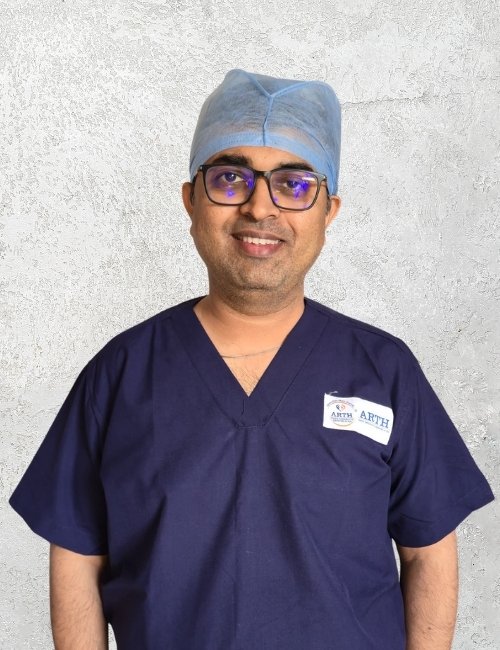
Choosing the right ENT specialist is essential for accurate diagnosis, safe treatment, and long-term ear, nose, and throat health. With a strong medical foundation, years of hands-on clinical experience, and a patient-centered approach, this ENT practice offers reliable care backed by proven expertise.
Professional Qualifications
Specializes in advanced nasal and sinus surgeries, including AC Polypectomy.
Years of Experience
Over 15 years of experience in diagnosing and treating sinus and nasal conditions.
Comprehensive Training
Expertise in endoscopic procedures and polyp removal techniques.
Modern Technology & Approach
Uses modern endoscopic equipment for effective treatment and minimal recovery time.
Patient Safety & Comfort
Committed to providing safe, comfortable, and precise treatment for all patients.
No, the procedure is performed under local anesthesia, so it is pain-free during the surgery. Mild discomfort may occur afterward, but it can be managed with medication.
AC Polypectomy typically takes between 30 and 45 minutes.
Most patients can return to their regular activities within 1–2 weeks, with minimal disruption to daily life.
AC Polypectomy is a safe procedure with minimal risks, but as with any surgery, there is a small risk of infection, bleeding, or nasal dryness. These can be managed with proper aftercare.
While polyps can recur, the procedure significantly improves sinus drainage and reduces the likelihood of reoccurrence. Ongoing care, including nasal irrigation and medications, can help prevent recurrence.