Parotid Gland Disease/Surgery
Parotid gland surgery involves partial or complete removal of the gland, depending on the condition.
About Parotid Gland Disease & Surgery
Parotid gland disease may occur due to infection, inflammation, stones, or tumors. Many parotid gland tumors are benign, but some can be malignant and require timely diagnosis and treatment. Patients often notice a painless or painful swelling near the jaw or ear that gradually increases in size.
Parotid gland surgery is advised when medical treatment is ineffective or when a tumor or persistent swelling is present. With modern surgical techniques and careful planning, parotid surgery is safe, effective, and focused on preserving facial nerve function while ensuring complete disease removal.
Parotid Gland Disease
Parotid gland disease includes a range of conditions affecting the parotid salivary gland, such as:
1. Parotid gland infections (parotitis)
2. Salivary gland stones
3. Benign parotid tumors
4. Malignant parotid tumors
5. Chronic inflammation or cysts
Parotid Gland Surgery
Parotid gland surgery involves partial or complete removal of the gland, depending on the condition. Common surgical procedures include:
1. Superficial parotidectomy
2. Total parotidectomy
3. Tumor excision with facial nerve preservation
Who Needs This Treatment?
Early evaluation helps in accurate diagnosis and timely management, reducing the risk of complications and disease progression. Parotid gland surgery may be recommended for patients with:
How the Procedure Works
Parotid gland surgery generally follows these steps:
1. Pre-operative Assessment
- Clinical examination, imaging studies, and biopsy if needed.
2. Surgical Procedure
- Careful removal of the diseased part of the gland with facial nerve preservation.
3. Post-operative Care
- Monitoring, wound care, and gradual return to normal activities.

Hospital stay may be 1–2 days depending on surgery type
Drain removal if placed is done within 24-48 hours
Follow prescribed medications and wound care instructions
Why Consult
Dr. Viral Prajapati?
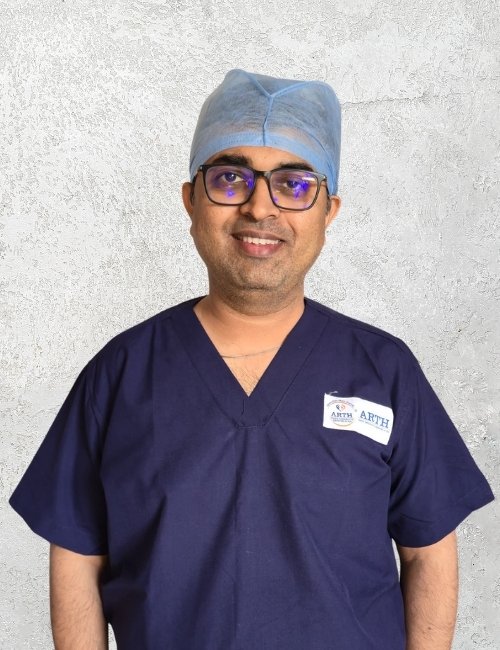
Choosing the right ENT specialist is essential for accurate diagnosis, safe treatment, and long-term ear, nose, and throat health. With a strong medical foundation, years of hands-on clinical experience, and a patient-centered approach, this ENT practice offers reliable care backed by proven expertise.
Expertise in Head & Neck Surgery
Extensive experience in managing salivary gland disorders
Detailed Pre-operative Planning
Clinical evaluation with imaging and biopsy if required
Facial Nerve-Safe Techniques
Advanced methods to identify and protect facial nerve branches
Modern Surgical Facilities
Use of advanced instruments and operative techniques
Long-Term Follow-up
Guidance for ongoing salivary gland health
Yes, when performed by an experienced surgeon using modern techniques.
Facial nerve preservation is a key focus, and most patients have normal facial movement after recovery.
No, most parotid tumors are benign, but evaluation is essential.
Initial recovery takes 1–2 weeks, with gradual improvement thereafter.
Surgery is recommended when tumors, recurrent infections, or persistent swelling are present.