Oesophagoscopy (Biopsy / Foreign Body Removal)
It helps identify abnormalities, take tissue biopsies for diagnosis, and safely remove foreign objects if present.
About Oesophagoscopy
The esophagus is the vital passage that carries food from the mouth to the stomach. Sometimes, problems such as swallowed foreign objects, tumors, inflammation, or tissue abnormalities can cause pain, difficulty swallowing, or other complications. Performed using flexible or rigid endoscopes, the procedure is minimally invasive, highly accurate, and suitable for both adults and children. It ensures early detection of esophageal conditions, quick relief from discomfort, and proper treatment planning.
Oesophagoscopy is a diagnostic and therapeutic procedure that involves inserting a flexible or rigid endoscope into the esophagus to visualize its lining and identify any abnormalities.
Biopsy: A small tissue sample is taken from suspicious areas to detect infections, inflammation, or tumors.
Foreign Body Removal: Objects stuck in the esophagus, such as coins, bones, or other swallowed items, can be safely removed under direct visualization.
This procedure provides a comprehensive assessment of the esophagus and helps guide further treatment if required.
Who Needs This Procedure?
Early intervention ensures prevention of complications, accurate diagnosis, and timely management. Oesophagoscopy is recommended for patients with:
How the Procedure Works
Oesophagoscopy is performed in a hospital or clinic setting under sterile conditions.
1. Preparation
- Detailed medical and swallowing history
- Pre-procedure fasting and anesthesia assessment
- Planning for biopsy or foreign body removal
2. Examination
- A flexible or rigid endoscope is gently inserted through the mouth into the esophagus
- The lining of the esophagus is inspected for abnormalities, swelling, ulcers, or foreign bodies
- If necessary, tissue samples are taken for biopsy
3. Therapeutic Intervention
- Foreign bodies are carefully removed using specialized instruments
- Minor procedures like removal of small growths or tissue sampling are performed under direct vision

Accurate diagnosis
Provides accurate diagnosis of esophageal problems
Detects Early Signs
Detects early signs of tumors, inflammation, or ulcers
Safe removal of foreign objects
Safe removal of foreign objects without surgery
Minimal Discomfort
Minimally invasive with minimal discomfort
Patients may experience mild throat discomfort or soreness for a day or two
Report any bleeding, severe pain, or difficulty swallowing immediately
Maintain hydration and avoid irritants like smoking for faster recovery
Why Consult
Dr. Viral Prajapati?
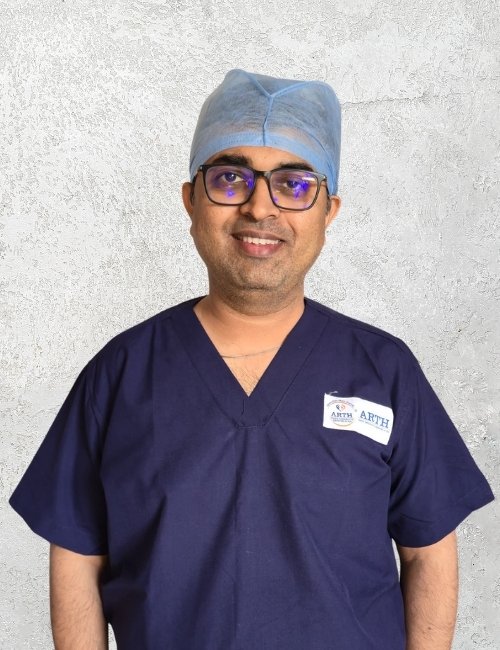
Choosing the right ENT specialist is essential for accurate diagnosis, safe treatment, and long-term ear, nose, and throat health. With a strong medical foundation, years of hands-on clinical experience, and a patient-centered approach, this ENT practice offers reliable care backed by proven expertise.
Advanced Endoscopic Skills
Expert in flexible and rigid oesophagoscopy for biopsy and foreign body removal
Years of Experience
Over 15 years in ENT, including diagnostic and therapeutic endoscopy
Comprehensive Training
Exposure to general surgery, pediatrics, ENT, and internal medicine
Modern Technology & Approach
Uses latest endoscopic tools and visualization systems
Patient Safety & Comfort
Procedures performed with precision, minimal discomfort, and low risk
No, sedation or local anesthesia ensures comfort during the procedure. Mild throat soreness may occur afterward.
Yes, it is safe for both children and adults under expert supervision.
Most patients resume normal activities within a day or two.
Yes, the procedure is precise and done under direct visualization to minimize risks.
Typically within a few days to a week, depending on the laboratory processing time.