Lateral Rhinotomy
This surgery is particularly beneficial for treating nasal tumors, extensive polyps, chronic sinus diseases, and other conditions.
About Lateral Rhinotomy
Lateral Rhinotomy is a surgical procedure designed to access the nasal cavity and sinus structures through a carefully planned incision made on the side of the nose. This surgery is often performed when other less invasive methods, such as endoscopy, cannot provide adequate access for treating more complex nasal and sinus conditions. This surgery is particularly beneficial for treating nasal tumors, extensive polyps, chronic sinus diseases, and other conditions that require direct visualization and surgical access to the nasal passages and surrounding structures. The procedure is performed under general anesthesia for your comfort and safety.
Lateral Rhinotomy is a type of surgery that provides better access to the nasal cavity and sinuses. During the procedure, an incision is made along the side of the nose, allowing the surgeon to reach deeper nasal structures, including the sinuses and nasal passages.
This approach is often chosen when there is a need to remove larger nasal tumors, treat advanced sinus disease, or address other conditions that require greater visibility and precision.
Lateral Rhinotomy is typically used when other techniques, such as endoscopic surgery, are not feasible due to the complexity or size of the condition. The incision is carefully planned to ensure minimal scarring and optimal access, and the procedure is performed with utmost care to avoid damage to surrounding tissues.
Indications for Lateral Rhinotomy
Lateral Rhinotomy is indicated for patients who have:
Removal of benign or malignant tumors inside the nose or sinuses.
Severe cases of sinusitis that do not respond to other treatments.
Large or multiple polyps obstructing the nasal passages and sinuses.
Structural abnormalities that cannot be corrected through less invasive methods.
Repair of the nose or sinuses after trauma or injury.
How the Procedure Works
The Lateral Rhinotomy procedure is performed under general anesthesia to ensure patient comfort. Here’s what to expect:
1. Pre-Procedure Consultation
- Before surgery, a comprehensive consultation will be conducted to assess your condition, discuss your medical history, and review imaging or diagnostic tests. The surgeon will explain the procedure in detail, answer your questions, and set realistic expectations for recovery.
2. During the Procedure
- Incision: The surgeon will make a small incision along the side of the nose, carefully planning the cut to minimize visible scarring. In some cases, the incision may extend slightly into the upper lip or near the cheek, depending on the area being treated.
- Access: The surgeon will then gently lift the skin and tissue to access the nasal cavity, sinuses, and other affected structures.
- Treatment: The underlying condition, whether it's a tumor, polyps, or other sinus abnormalities, will be addressed. The surgeon may remove tissue, drain sinuses, or perform necessary repairs.
- Closure: Once the treatment is completed, the incision is carefully sutured, and a dressing or nasal packing may be applied to support the healing process.
3. Post-Procedure Recovery
- After surgery, you will be monitored in the recovery area until you are fully awake and stable. Most patients can go home the same day, though some may need to stay overnight for observation.
- Nasal packing or splints may be placed inside the nose to support the healing process and control bleeding. Pain medication and antibiotics will be prescribed to manage any discomfort and prevent infection.
Restores Nasal Function
Improves nasal airflow and sinus drainage by correcting structural issues or obstructions.
Minimally Visible Scarring
With careful incision planning, the resulting scar is usually discreet and fades over time.
Improved Sinus Health
Addresses chronic sinus conditions that do not respond to other treatments, providing long-term relief.
Targeted Treatment of Tumors & Polyps
Removes tumors and polyps effectively, preventing recurrence or complications.
Avoid strenuous physical activity for at least 2-3 weeks to allow the incision to heal.
You will need to visit the clinic for regular check-ups to monitor your recovery
Stick to soft foods for the first few days to avoid pressure on the surgical site.
Why Consult
Dr. Viral Prajapati?
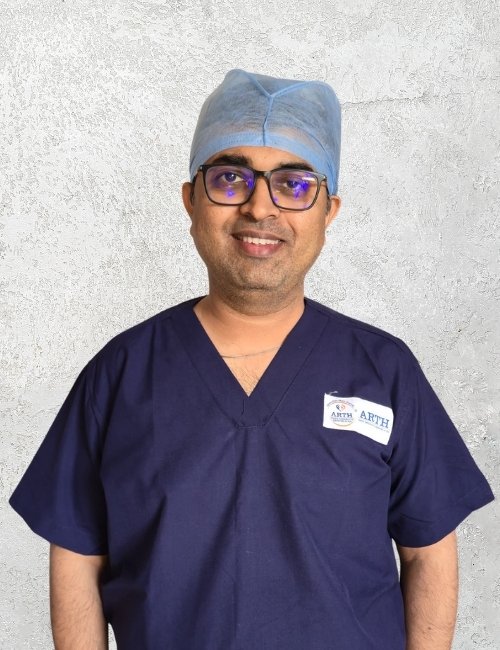
Choosing the right ENT specialist is essential for accurate diagnosis, safe treatment, and long-term ear, nose, and throat health. With a strong medical foundation, years of hands-on clinical experience, and a patient-centered approach, this ENT practice offers reliable care backed by proven expertise.
Professional Qualifications
Specialized in complex nasal and sinus surgeries, including Lateral Rhinotomy, ensuring optimal outcomes.
Years of Experience
Over 15 years of experience in treating nasal and sinus disorders with advanced surgical techniques.
Personalized Care
We provide individualized treatment plans tailored to your needs and conditions.
Advanced Equipment & Techniques
Utilization of advanced equipment for precision and minimal recovery time.
Focus on Safety & Comfort
We prioritize your comfort, safety, and well-being throughout the procedure and recovery.
Most patients recover within 2 - 4 weeks, though full healing may take longer depending on the complexity of the surgery.
The incision is carefully placed to minimize visible scarring. Any scars that do appear are typically discreet and fade over time.
Yes, Lateral Rhinotomy can provide access to sinus cavities to treat chronic sinusitis, especially when other treatments have failed.
Yes, Lateral Rhinotomy is a well-established and safe procedure when performed by experienced surgeons.
You can typically resume light activities within 2-3 weeks, but more strenuous activities should be avoided for 4-6 weeks.