Functional Endoscopic Sinus Surgery (FESS)
This procedure is performed using a small, flexible endoscope that allows the ENT specialist to see inside the nasal passages and sinuses and address the underlying issues with precision.
About Functional Endoscopic Sinus Surgery (FESS)
Chronic sinus problems, such as sinusitis, can be both frustrating and painful, affecting your ability to breathe comfortably, sleep, and even concentrate. When non-surgical treatments fail to provide relief, Functional Endoscopic Sinus Surgery (FESS) may be the solution. FESS is a minimally invasive surgery designed to improve sinus drainage and restore normal sinus function, allowing you to breathe easily and avoid recurrent infections. This procedure is performed using a small, flexible endoscope that allows the ENT specialist to see inside the nasal passages and sinuses and address the underlying issues with precision.
Functional Endoscopic Sinus Surgery (FESS) is a minimally invasive procedure used to treat chronic sinus conditions that do not respond to medications.
Using a small endoscope (a flexible tube with a light and camera), the surgeon can view the inside of your sinuses and remove any blockages, polyps, or infected tissue. The procedure aims to restore proper sinus drainage and alleviate symptoms like nasal congestion, facial pressure, and difficulty breathing.
FESS is commonly used to treat antrochoanal polyps (which arise from the maxillary sinus), chronic sinusitis, and nasal polyps.
Indications for FESS
FESS is commonly recommended for patients suffering from chronic or recurrent sinus infections that do not respond well to medication or other non-surgical treatments. The main indications for Functional Endoscopic Sinus Surgery (FESS) include:
Long-term inflammation of the sinuses that doesn't improve with medication.
Non-cancerous growths in the nasal passages or sinuses that cause blockage.
Unilateral polyps originating from the maxillary sinus, often associated with nasal blockage, difficulty breathing, and post-nasal drip.
Chronic blockage due to anatomical issues such as a deviated septum or persistent infection.
Fluid-filled sacs in the sinuses that can lead to discomfort, swelling, and difficulty breathing.
Infections that occur repeatedly, causing discomfort, pressure, and reduced quality of life.
How the Procedure Works
FESS is a minimally invasive procedure performed under general anesthesia. Here is a breakdown of the process:
1. Pre-Procedure
- Consultation: A thorough evaluation of your nasal and sinus health, including imaging studies (like CT scans) to identify blockages, polyps, or infections.
- Anesthesia: The procedure is performed under general anesthesia to ensure you are comfortable throughout.
2. During the Procedure
- Endoscopic Insertion: The surgeon inserts a flexible endoscope through the nostrils to visualize the sinuses and nasal passages.
- Polyp/Obstruction Removal: Using specialized surgical instruments, the surgeon removes antrochoanal polyps, infected tissue, or other blockages causing sinus issues.
- Restoration of Drainage: The surgeon clears the sinuses and opens up blocked passages to restore proper sinus drainage and airflow.
3. Post-Procedure
- Recovery: Most patients can go home on the same day of the surgery. Some minor discomfort or nasal congestion may persist for a few days.
- Follow-up Care: A follow-up appointment may be scheduled to monitor your recovery and ensure that the sinuses are healing properly.
Minimally Invasive
No large incisions, reducing recovery time
Quicker Recovery
Most patients return to normal activities in a short period
Improved Sinus Drainage
Restores proper sinus function and airflow
Minimal Discomfort
Performed with local anesthesia and only mild discomfort afterward
Rest at home for a day or two after the procedure
Avoid blowing your nose or any strenuous activity for a few weeks
Saline nasal sprays and prescribed medications can help with healing
Why Consult
Dr. Viral Prajapati?
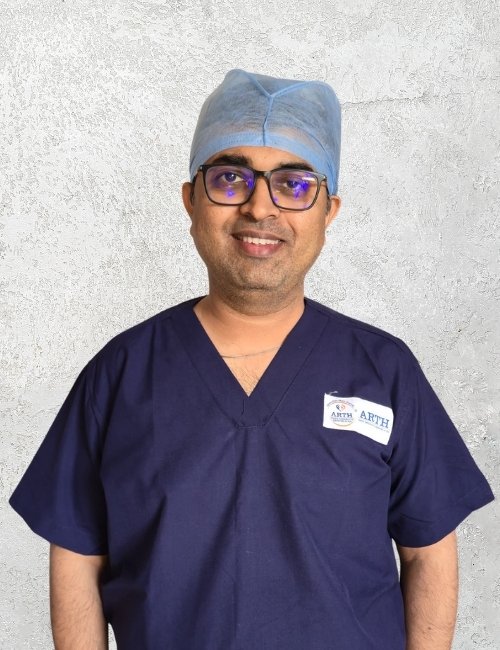
Choosing the right ENT specialist is essential for accurate diagnosis, safe treatment, and long-term ear, nose, and throat health. With a strong medical foundation, years of hands-on clinical experience, and a patient-centered approach, this ENT practice offers reliable care backed by proven expertise.
Professional Qualifications
Skilled in performing advanced endoscopic procedures with precision and care.
Years of Experience
Over 15 years of experience in diagnosing and treating sinus and nasal conditions.
Comprehensive Training
Specialized in Functional Endoscopic Sinus Surgery (FESS) and other advanced ENT treatments.
Modern Technology & Approach
Equipped with state-of-the-art technology for accurate diagnosis and effective treatment.
Patient Safety & Comfort
Emphasis on patient safety and comfort, with minimally invasive methods for faster recovery.
The procedure is generally painless because it is performed under local anesthesia. Some mild discomfort or nasal congestion may occur after the procedure.
FESS typically takes between 30 and 60 minutes, depending on the complexity of the condition being treated.
Most patients can resume normal activities within 1–2 weeks, though they should avoid strenuous activities for a few weeks.
FESS is considered very safe, with minimal risks such as bleeding or infection, which can be easily managed.
Yes, follow-up visits are typically scheduled to monitor recovery and ensure the sinuses are healing properly.