Dr. Viral Prajapati
Congenital Deafness
Advanced screening tests, audiometry, and specialized interventions are used to ensure newborns and children with congenital deafness receive timely and effective care.
About Congenital Deafness
Congenital Deafness refers to hearing loss that is present at birth. It can occur due to genetic factors, complications during pregnancy, or infections that affect the baby’s hearing before or shortly after birth. Early detection and intervention are crucial because hearing is essential for speech, language, cognitive development, and social interaction. Even mild or moderate hearing loss can delay language development and learning in children. Through early diagnosis and appropriate management, including hearing aids, cochlear implants, and auditory rehabilitation, children can achieve optimal hearing, speech, and communication skills.
What is Congenital Deafness?
Early detection through newborn hearing screening is critical because untreated hearing loss can impact speech, language, cognitive development, and social skills. Congenital Deafness is a hearing impairment present from birth. It can be: damage to the inner ear or auditory nerve, problems in the middle or outer ear or combination of both types.
Who Needs This Procedure?
Timely intervention improves hearing, speech development, and quality of life for affected children. Early evaluation and intervention are recommended for :
How the Procedure Works
Management depends on the type and severity of hearing loss:
1. Newborn & Pediatric Screening
- Hearing tests like OAE (Otoacoustic Emissions) or ABR
- Early identification of hearing deficits
2. Comprehensive Evaluation
- Audiometry, tympanometry, and imaging if required
- Genetic counseling when indicated
3. Hearing Support & Rehabilitation
- Hearing aids: For mild to moderate hearing loss
- Cochlear implants: For severe to profound sensorineural hearing loss
- Speech therapy & auditory training: To improve communication skills
4. Follow-Up & Monitoring
- Regular hearing checks Device adjustment and maintenance
- Speech and language progress assessment
Improved Hearing
Access to sound through hearing aids or cochlear implants
Safe & Effective
Uses modern, minimally invasive methods when needed
Early Intervention
Prevents long-term developmental delays
Personalized Care
Solutions designed for each child’s specific hearing needs
Recovery & Aftercare
Adaptation to hearing devices typically takes a few weeks
Avoid exposing children to excessive noise during treatment
Consistent speech and auditory therapy improve communication skills
Why Consult
Dr. Viral Prajapati?
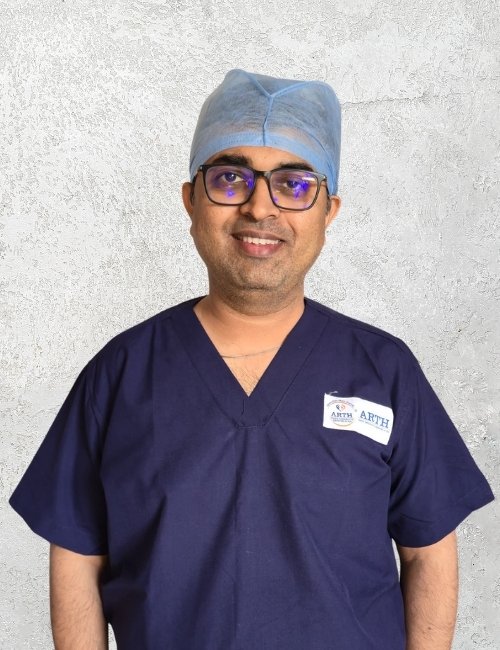
Choosing the right ENT specialist is essential for accurate diagnosis, safe treatment, and long-term ear, nose, and throat health. With a strong medical foundation, years of hands-on clinical experience, and a patient-centered approach, this ENT practice offers reliable care backed by proven expertise.
Professional Qualifications
Strong academic base with extensive practical exposure during training
Years of Experience
15+ years of ENT experience with a high volume of diagnostic procedures
Comprehensive Training
Hands-on experience at a high-volume government hospital
Modern Technology & Approach
Advanced equipment and techniques for accurate diagnosis and effective treatment.
Patient Safety & Comfort
Ensures sterile conditions, safe handling, and gentle procedure steps
Frequently Asked Questions
It can be identified at birth with newborn screening tests like OAE and ABR.
With early intervention, hearing aids, or cochlear implants, most children can develop normal speech and communication skills.
No, treatment depends on the type and severity of hearing loss; some children only need hearing aids or therapy.
Early detection and treatment are crucial to prevent delays in speech, language, and cognitive development.
Yes, they are widely used and considered safe when performed by experienced ENT specialists.